Jose Miguel del Pino Monzon1*, Yaiza Hernandez Piñero1, Nieves Sara Puerta Hernandez1, Marta Valor Soteras2, Irene Lobo Machin1, Julen Ramon Rodriguez1
1Department of General Surgery and Digestive System, Hospital San Juan de Dios, Santa Cruz de Tenerife, Spain
2Department of Medical Scientific Affairs, B. Braun Surgical, Rubí, Spain
*Corresponding Author: Jose Miguel del Pino Monzon, Department of General Surgery and Digestive System, Hospital San Juan de Dios, CP 38009, Santa Cruz de Tenerife, Spain
Received Date: 09 September 2026
Accepted Date: 15 September 2026
Published Date: 17 September 2026
Citation: Del Pino JM, Hernandez-Piñero Y, Puerta-Hernandez NS, Valor-Soteras M, Lobo-Machin I, et al. (2026) Cyanoacrylate Mesh Fixation in Laparoscopic Inguinal Hernia Repair: Real-World Clinical Performance and Safety of the Histoacryl® Lapfix (HISTOLAP Study). J Surg 11: 11693 DOI: https://doi.org/10.29011/2575-9760.11693
Abstract
Background: Cyanoacrylate adhesives represent an atraumatic alternative to conventional mesh fixation in laparoscopic inguinal hernia repair. However, real-world evidence on dedicated laparoscopic delivery systems remains limited. This study evaluated the clinical performance and safety of the Histoacryl® Lapfix in routine practice.
Methods: This retrospective, single-centre observational study included adult patients undergoing laparoscopic inguinal hernia repair (TAPP or TEP) with mesh fixation using the Histoacryl® Lapfix between June 2018 and March 2021. The primary endpoint was hernia recurrence at 6 months. Secondary endpoints included intraoperative and postoperative complications, reintervention, mesh-related outcomes, postoperative pain, and surgeon-reported satisfaction.
Keywords: Results: A total of 436 patients were included. Hernia recurrence occurred in 4 patients (0.92%), meeting the predefined noninferiority criterion versus a 5% benchmark (upper 95% CI 1.30%). Intraoperative complications were observed in only 10 patients (2.3%), they were mild, and unrelated to the device. Postoperative complications occurred overall in 20.2% of patients, predominantly mild; of note, device-related complications were reported in 0.9%. Reintervention was required in 0.9% of patients, with no mesh removals. Postoperative pain was reported in 20.4% of patients, mainly transient; chronic pain requiring analgesics was uncommon. Surgeon satisfaction with device handling was rated at minimum as satisfactory across all domains.
Conclusions: In this real-world cohort, the Histoacryl® Lapfixdemonstrated low recurrence rates, a favourable safety profile, and high usability. These findings support its use as an effective atraumatic fixation modality in laparoscopic inguinal hernia repair.
Keywords: Cyanoacrylate; Histoacryl Lapfix; Inguinal Hernia; Laparoscopic Repair; Mesh Fixation; Observational Study.
Background
Inguinal hernia is among the most prevalent surgical conditions globally, accounting for approximately 75% of all abdominal wall hernias and with higher lifetime risk in men (27%) [1,2]. Inguinal hernioplasty represents the standard of care according to the international guidelines, encompassing both open repair (Lichtenstein) and laparoscopic approaches, namely Transabdominal Preperitoneal (TAPP) and Totally Extraperitoneal (TEP) [3]. Hernia management has significantly evolved with advances in surgical techniques, biomaterials, and operative technology. Despite the technical differences between TEP and TAPP, mainly related to surgical access, current evidence shows comparable outcomes between both laparoscopic techniques in terms of recurrence, postoperative complications, and chronic postoperative pain [1,4]. Secure mesh fixation is a critical step of the procedure to achieving durable hernia repair. Mesh fixation has traditionally been performed using sutures or tacks; however, these methods may contribute to chronic postoperative pain through nerve irritation or entrapment [3,5]. Importantly, management guidelines and recent meta-analysis recommend atraumatic fixation strategies with absorbable adhesives, that reduce tissue trauma, while maintaining adequate mesh stability, low recurrence rates and post-operative pain [3,6]. In this context, adhesive fixation is particularly advantageous in anatomically sensitive regions of the inguinal canal, where penetrating fixation devices risk damaging sensory nerves and thereby increasing the likelihood of chronic neuropathic pain [7]. Cyanoacrylate-based tissue adhesives have emerged as the most used fixation strategies, providing strong tissue bonding with hemostatic and antibacterial effect, and reduced inflammatory response, maintaining low recurrence and postoperative complication rates [3, 5,8]. Cyanoacrylates polymerize rapidly upon contact with tissue fluids, creating a firm bond between the mesh and the underlying tissue [9]. Among them, N-Butyl-2-Cyanoacrylate (NBCA) -the primary content of Histoacryl®- is widely used for several clinical indications: the closure of skin wounds without tension (including clean surgical incisions and those resulting from minimally invasive procedures), simple and thoroughly cleansed traumatic lacerations, the sclerotherapy of large oesophageal or fundic varices and the fixation of hernia meshes [10-13].
Specialized laparoscopic delivery systems have been developed to facilitate NBCA application during minimally invasive hernia surgery procedures, ensuring adequate mesh placement while minimizing tissue trauma [3,14]. These non-penetrating applicators enable precise, spot-wise glue deposition, reducing the risk of nerve injury and chronic pain associated with traditional tacks or sutures [3]. The Histoacryl® Lapfix is a dedicated singleuse medical device designed to facilitate the accurate delivery of Histoacryl® for laparoscopic mesh fixation, primarily in TAPP and TEP procedures [15,16]. This system combines a specialized cannula with a pre-filled syringe and ampoule, allowing controlled extrusion of the adhesive under laparoscopic visualization to optimize mesh adhesion while preserving surrounding tissues. The established biocompatibility, rapid polymerization kinetics, and strong adhesive properties of Histoacryl®, in combination with the design of the Histoacryl® Lapfix, support its use in laparoscopic applications [15,16]. Despite growing evidence supporting cyanoacrylate fixation in general, real-world clinical data characterizing the safety and performance of this specific delivery system, while not absent, remain limited in a routine surgical setting. In addition, the available real-world studies evaluating the use of NBCA adhesives in hernia surgery are heterogeneous, mainly due to differences in the clinical characteristics of patients and hernia, the sample size, the follow-up, or the medical adhesive applied in the hernia surgery [15,17-19]. The present study aimed to confirm the safety and performance of Histoacryl® Lapfix for laparoscopic mesh fixation in laparoscopic inguinal hernia repair under routine clinical practice conditions. While the delivery system itself was the object of evaluation, its safety and performance were assessed through clinical outcomes inherently related to the use of the NBCA adhesive. The primary objective was to describe the recurrence rate, and secondary objectives included assessing intraoperative and postoperative complications at 1 and 6 months, reintervention, mesh removal or repositioning within 6 months after surgery, and acute or chronic postoperative pain.
Methods
Study Design and Patients
The HISTOLAP study was a retrospective, observational, singlecentre study conducted in the General Surgery Department of Hospital San Juan de Dios (Santa Cruz de Tenerife, Spain). The study adhered to the principles of the Declaration of Helsinki (2013), ISO 14155, national regulations, and the regulation of research with medical devices of the European Parliament and of the Council of 5 April 2017, amending Directive 2001/83/EC, Regulation (EC) No 178/2002 and Regulation (EC) No 1223/2009 and repealing Council Directives 90/385/EEC and 93/42/EEC. The study protocol was approved by the Independent Ethics Committee of the University Hospital Complex of the Canary Islands (La Laguna, Santa Cruz de Tenerife, Spain) in January 2023. Eligible participants were adults (≥18 years) who underwent laparoscopic inguinal hernia repair with mesh fixation using Histoacryl® Lapfix at the study site between June 2018 and March 2021. No exclusion criteria were specified, ensuring the study population reflected the routine clinical practice. As this was a retrospective study using pseudonymized data drawn from existing medical records, informed patient consent was waived.
Investigational Device
Histoacryl® Lapfix is a sterile, single-use Class IIa medical device compliant with the Medical Device Regulation (EU) 2017/745. It is intended for minimally invasive surgery and specifically designed for the application of Histoacryl® (NBCA) using 2-mL Injekt® Luer Lock syringe during TAPP and TEP laparoscopic hernia repair. Device preparation followed manufacturer instructions and no modifications to the device occurred during the study period.
Study Endpoints
Keywords: The primary performance endpoint was the incidence of hernia recurrence within 6 months following hernia repair surgery, as documented in the medical record by the treating surgeons during routine care (clinical diagnosis and/or imaging when available). Other performance endpoints included surgeon satisfaction with the use of Histoacryl® Lapfix using an ad hoc 4-point Likert scale questionnaire (excellent, very good, good, satisfied, poor) covering ease of use, device management and handling, adhesive administration, and the extent to which the device met the surgeons’ procedural needs. Secondary safety endpoints included: 1) intraoperative complications; 2) postoperative complications at discharge and 1 and 6 months postoperatively; 3) reintervention and mesh removal or repositioning until 6 months postoperatively; and 4) acute or chronic pain (pain persisting beyond 6 months postoperatively requiring analgesic treatment). Follow-up period was extended up to 6 months if adverse events occurred within the first month following surgery.
Data Sources and Variables
Data were obtained retrospectively (between March 2024 and May 2025) from electronic health records using a predefined case report form. Baseline demographic and clinical characteristics included age, sex, Body Mass Index (BMI), comorbidities, risk factors, previous abdominal/pelvic surgery and/or prior hernia repair surgery. Hernia characteristics were documented including hernia presentation (primary/recurrent), laterality (right/left/ bilateral), anatomical location (lateral/indirect, medial/direct, femoral) and size as documented by the surgical team. Operation and hospitalization data included surgical approach (TAPP/TEP), anaesthesia, American Society of Anaesthesiologists (ASA) class, operative time (minutes), type and brand of the mesh used, number of meshes used, position of meshes (extraperitoneal/ intraperitoneal), mesh fixation method and length of hospital stay (days). Intraoperative variables included complications such as peritoneum opening, delayed polymerization of the adhesive, bleeding requiring therapeutic intervention, organ injury, or other events. Postoperative outcomes (occurrence of complications, need for reintervention, mesh removal or repositioning, and postoperative acute or chronic pain and need for analgesic treatment) were assessed at hospital discharge at 1 month and at 6 months after surgery.
Statistical Considerations
The statistical analyses were performed using the software package SAS® 9.4 (TS1M8) (SAS Institute Inc., Cary, NC, USA) and R 4.4.2 within RStudio 4.4.2 (RStudio Inc., Boston, MA, USA). Continuous variables were summarized using mean, Standard Deviation (SD), median, and Interquartile Range (IQR). Categorical variables were expressed as frequencies and percentages. Missing data were analysed as such and were not imputed. A significance threshold of p<0.05 (two-tailed) was applied. For the primary outcome, a non-inferiority comparison was made against the 5% recurrence rate reported in the historical control group of a randomized clinical trial using NBCA for TEP repair [16]. A onesided 95% upper confidence limit for recurrence was calculated. For a test of a binomial proportion using the normal approximation and a variance estimate based on the null proportion with a onesided significance level of 0.025 and null proportion 0.05, it was considered that a sample size of 400 patients would achieve a power of at least 0.855 when the true proportion is 0.02.
Results
Patient Demographic and Clinical Characteristics
Data collected from a total of 436 patients who underwent laparoscopic inguinal hernia repair with mesh fixation using Histoacryl® Lapfix were analysed in the study. Of these, 429 (98.4%) patients completed the 1-month follow-up after inguinal hernia surgery, and 76 (17.4%) patients were followed up to 6 months after surgery (Figure 1).
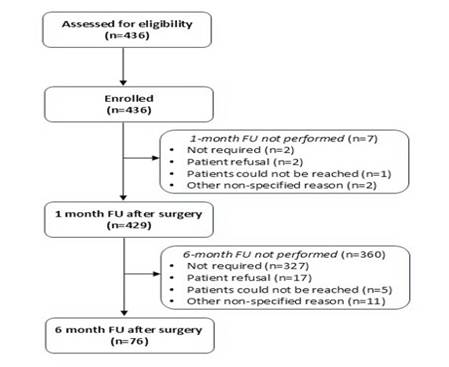
Figure 1: Flow-chart of patient inclusion and follow-up in the study. Abbreviations: FU, follow-up.
Keywords: (Error: no se encontró el origen de la referencia) summarises the demographic and clinical characteristics of the study population. Briefly, the median age of patients was 50 years (IQR: 42.0-60.0), and most patients were male (n=414; 94.9%). The median BMI was 25.1 kg/m² (IQR: 23.3-27.2). A total of 215 (49.3%) patients had at least one comorbidity, most commonly hypertension (20.2%), cardiac disease (6.9%), and respiratory disease (5.5%). Regarding risk factors, 138 (31.7%) patients were active smokers, 203 (46.5%) patients reported occasional, daily, or weekly alcohol consumption, and 22 (5.1%) patients were classified as having obesity. In terms of prior surgical history, 40 (9.2%) patients had undergone previous lower abdominal surgery, and 95 (21.8%) had a history of prior hernia repair, predominantly only one previous surgery (n=84; 79.3%) and inguinal (n=91; 85.9%).
|
Value (N=436) |
|
|
Age, median (IQR), years |
50.0 (42.0-60.0) |
|
Gender, male, n (%) |
414 (94.9) |
|
BMI, median (IQR), kg/m² |
25.1 (23.3-27.2) |
|
Concomitant disease, n (%) |
|
|
Hypertension |
88 (20.2) |
|
Cardiac disease |
30 (6.9) |
|
Respiratory disease |
24 (5.5) |
|
Type II diabetes |
19 (4.4) |
|
Hepatic disease |
10 (2.3) |
|
Renal disease |
9 (2.1) |
|
Malignant neoplasm |
6 (1.4) |
|
Risk factors, n (%) |
|
|
Smoking history |
|
|
Never smoked |
239 (54.8) |
|
Smoker |
138 (31.7) |
|
Former smoker (stopped >12 months) |
55 (12.6) |
|
Unknown |
4 (0.9) |
|
Alcohol consumption |
|
|
No alcohol consumption |
220 (50.5) |
|
Occasional drinker |
161 (36.9) |
|
Daily alcohol consumption |
21 (4.8) |
|
Weekly alcohol consumption |
21 (4.8) |
|
Unknown |
13 (2.9) |
|
Obesity |
22 (5.1) |
|
Ascites |
0 (0.0) |
|
Corticosteroid use |
4 (0.9) |
|
Immunosuppressive therapy use |
6 (1.4) |
|
Other non-specified risk factor |
8 (1.8) |
|
Prior surgery, n (%) |
|
|
Lower abdominal surgery |
40 (9.2) |
|
Pelvic surgery |
32 (7.3) |
|
Pelvic radiation |
2 (0.5) |
|
Prior hernia surgery |
95 (21.8) |
|
Number of previous surgeries |
|
|
One |
84 (88.4) |
|
Two |
10 (10.5) |
|
Three |
1 (1.1) |
|
Hernia type |
|
|
Inguinal |
91 (85.9) |
|
Primary ventral |
10 (9.4) |
|
Incisional |
5 (4.7) |
|
Hernia characteristics |
|
|
Hernia presentation, n (%) |
|
|
Primary |
401 (91.9) |
|
Recurrent |
35 (8.0) |
|
Hernia laterality, n (%) |
|
|
Right |
197 (45.2) |
|
Left |
150 (34.4) |
|
Bilateral |
89 (20.4) |
|
Hernia anatomical location, n (%) (n=425) |
|
|
Lateral/indirect hernia (L) |
335 (78.8) |
|
Medial/direct hernia (M) |
87 (20.5) |
|
Femoral hernia (F) |
3 (0.7) |
|
Hernia size, n (%) (n=402) |
|
|
<3 cm (2 fingers) (2) |
178 (44.3) |
|
<1,5 cm (1 finger) (1) |
138 (34.3) |
|
>3 cm (more than 2 fingers) |
78 (19.4) |
|
Not investigated (X) |
5 (1.2) |
|
Not detectable (0) |
3 (0.8) |
BMI: Body Mass Index, IQR: Interquartile Range
Table 1: Demographic and clinical data of patients undergoing laparoscopic inguinal hernia repair.
Inguinal Hernia Repair Surgery
Keywords: Regarding baseline hernia characteristics, 401 (91.9%) patients presented with primary hernias, while 35 (8.0%) patients had recurrent hernias (Table 2). Bilateral hernias were identified in 89 (20.4%) patients. The anatomical location was lateral/indirect (L) in 335 (78.8%) patients and medial/direct (M) in 87 (20.5%) patients. Overall, 178 (44.3%) patients and 138 (34.3%) patients had hernias smaller than 3 cm and 1.5 cm, respectively. (Table 2) summarizes characteristics of the inguinal hernia repair procedures. According to the ASA classification, 288 (66.1%) patients were categorized as ASA II (mild systemic disease), and 139 (31.9%) patients as ASA I (healthy). All surgeries were elective, with 356 (81.7%) patients undergoing TEP laparoscopic approach. General anaesthesia was used in nearly all patients (n=433; 99.3%). Most patients (n=349; 80.0%) received a single mesh during the hernia repair, mainly placed in an extraperitoneal position (n=502; 96.0%); and two meshes were placed in 87 (20%) patients. Almost all meshes used, 520 (99.4%), were synthetic polypropylene meshes (Optilene® Mesh Elastic, B. Braun Surgical) and in 3 patients (0.6%), silver-coated polypropylene mesh was used (Optilene® Silver Mesh Elastic, B. Braun Surgical).
|
Variable |
Value (N=436) |
|
ASA classification at the time of hernia surgery, n (%) |
|
|
Healthy patient (ASA I) |
139 (31.9) |
|
Patient with mild systemic disease (ASA II) |
288 (66.1) |
|
Patient with severe systemic disease (ASA III) |
9 (2.1) |
|
Surgery type, n (%) |
|
|
TEP |
356 (81.7) |
|
TAPP |
80 (18.4) |
|
Operation time, median (IQR), minutes |
57.0 (45.0-70.0) |
|
Type of anaesthesia, n (%) |
|
|
General |
433 (99.3) |
|
Regional |
3 (0.7) |
|
Surgery classification, n (%) |
|
|
Clean |
433 (99.3) |
|
Clean/contaminated |
3 (0.7) |
|
Mesh-related data |
|
|
Number of meshes implanted, n (%) |
|
|
1 |
349 (80.1) |
|
2 |
87 (20.0) |
|
Mesh position, n (%) |
|
|
Extraperitoneal |
502 (96.0) |
|
Intraperitoneal |
21 (4.0) |
|
Mesh length, median (IQR), cm |
15.0 (10.0-15.0) |
|
Mesh width, median (IQR), cm |
10.0 (10.0-15.0) |
|
Hospital length of stay, median (IQR), days |
0.0 (0.0-330.0) |
Keywords: ASA: American Society of Anaesthesiologists; IQR: interquartile range; TAPP: transabdominal preperitoneal; TEP: totally extraperitoneal.
Table 2: Data related to inguinal hernia repair surgery and hospitalization.
Primary outcome
Hernia recurrence was documented in 4 patients (0.92%) during the 6-month follow-up period (Table 3). Since the upper 95% confidence limit of the observed recurrence rate (Upper Confidence Interval, UCI 95%=1.30%) is well below the 5% non-inferiority margin established, the analysis demonstrates that the Histoacryl® Lapfix device is non-inferior regarding hernia recurrence rate compared to the historical control. Additionally, only 2 recurrences (0.46%) were considered related to Histoacryl® Lapfix device.
|
Variable |
Intraoperative N (%) (N=436) |
At discharge N (%) (N=436) |
1-month FU N (%) (N=429) |
6-month FU N (%) (N=76) |
Overall Postoperative N |
|
Complications |
10 (2.3) |
6 (1.4) |
75 (17.5) |
6 (7.9) |
88 (20.2) |
|
Peritoneum opening |
7 (1.6) |
0 (0.0) |
0 (0.0) |
0 (0.0) |
0 (0.0) |
|
Hematoma |
0 (0.0) |
1 (0.2) |
37 (8.5) |
1 (0.2) |
37 (8.5) |
|
Hemorrhage |
0 (0.0) |
1 (0.2) |
0 (0.0) |
0 (0.0) |
1 (0.2) |
|
Seroma |
0 (0.0) |
0 (0.0) |
14 (3.2) |
0 (0.0) |
14 (3.2) |
|
Orchitis |
0 (0.0) |
0 (0.0) |
3 (0.7) |
1 (0.2) |
4 (0.9) |
|
Hernia recurrence |
0 (0.0) |
1 (0.2) |
1 (0.2) |
2 (0.5) |
4 (0.9) |
|
Intraoperative bleedingrequiring treatment |
1 (0.2) |
0 (0.0) |
0 (0.0) |
0 (0.0) |
1 (0.2) |
|
Meshoma formation |
0 (0.0) |
0 (0.0) |
1 (0.2) |
0 (0.0) |
1 (0.2) |
|
Other |
2 (0.5) |
0 (0.0) |
19 (4.4) |
2 (0.5) |
31 (7.1) |
|
Histoacryl-related complication |
0 (0.0) |
1 (0.2) |
3 (0.7) |
0 (0.0) |
4 (0.9) |
|
Hematoma |
0 (0.0) |
0 (0.0) |
2 (0.5) |
0 (0.0) |
2 (0.5) |
|
Hernia recurrence |
0 (0.0) |
1 (0.2) |
1 (0.2) |
0 (0.0) |
2 (0.5) |
|
Severity of complications |
|||||
|
Mild |
10 (100.0) |
1 (16.7) |
53 (70.7) |
2 (70.7) |
-- |
|
Moderate |
0 (0.0) |
4 (66.7) |
19 (25.3) |
3 (25.3) |
-- |
|
Severe |
0 (0.0) |
1 (16.7) |
2 (2.7) |
1 (2.7) |
-- |
|
Unknown |
0 (0.0) |
0 (0.0) |
1 (1.3) |
0 (0.0) |
-- |
|
Outcome of complications |
|||||
|
Resolved |
9 (90.0) |
4 (66.7) |
58 (77.3) |
3 (77.3) |
-- |
|
Resolved with sequelae |
1 (10.0) |
2 (33.3) |
11 (14.7) |
2 (14.7) |
-- |
|
Recovering |
0 (0.0) |
0 (0.0) |
1 (1.3) |
1 (1.3) |
-- |
|
Unknown |
0 (0.0) |
0 (0.0) |
5 (6.7) |
0 (0.0) |
-- |
|
Reintervention |
-- |
2 (0.5) |
1 (0.2) |
1 (0.2) |
4 (0.9) |
|
Mesh removal |
-- |
0 (0.0) |
0 (0.0) |
0 (0.0) |
0 (0.0) |
|
Mesh repositioning |
-- |
0 (0.0) |
1 (0.2) |
0 (0.0) |
1 (0.2) |
|
Pain |
-- |
11 (2.5) |
79 (18.4) |
10 (13.2) |
89 (20.4) |
|
Requirement of analgesics |
-- |
10 (90.9) |
52 (65.8) |
6 (60.0) |
61 (68.5) |
FU: Follow-up
Table 3: Occurrence, type, severity, and outcome ofcomplications during hernia repair surgery, at discharge, and at 1- and 6-month follow-up after surgery.
Safety Outcomes
Intraoperative Complications
(Table 3) displays the occurrence, type, severity and outcome of complications during hernia repair surgery. Intraoperative complications occurred in 10 (2.3%) patients, including peritoneal opening: in 7 (1.6%) patients, intraoperative bleeding requiring treatment in 1 (0.2%) patient; and other complications in 2 (0.5%) patients. All intraoperative events were mild, unrelated to the Histoacryl® Lapfix device, and largely resolved without sequelae (9 out of 10 patients).
Postoperative Complications
Keywords: A total of 73 (16.7%) patients experienced a single complication, and 7 (1.6%) patients experienced two complications (Table 3). Postoperative complications were considered related to Histoacryl® Lapfix – Cannula device in 4 (0.9%) patients, who experienced hematomas [n=2 (both at discharge); 0.5%] and hernia recurrences [n=2 (1 at discharge and 1 at 1 month); 0.5%]. Complications were assessed at several postoperative timepoints (Table 3). At discharge, 6 (1.38%) patients presented complications: hematoma (n=1; 0.2%), hemorrhage (n=1; 0.2%), hernia recurrence (n=1; 0.2%); and other non-specified complications (n=3; 0.68%). Among these, hematoma in 2 (0.2%) patients and hernia recurrence in 1 (0.2%) patient were considered related to the Histoacryl® Lapfix device. Complications within the first month following surgery were mostly mild (n=53; 70.7%) and were resolved without sequelae (58 out of 75 patients). Late postoperative complications up to 6 months (n=76) were reported in 6 (7.9%) patients: hematoma (n = 1; 0.2%), orchitis (n = 1; 0.2%), and hernia recurrence (n = 1; 0.2%) (Table 3). None of these events were related to Histoacryl® Lapfix device. Most complications were mild or moderate, with 5 cases resolved fully or with minor sequelae (5 out of 6 patients). With respect to reintervention, it was required in a total of 4 (0.9%) patients. Of these, 2 (0.5%) patients underwent reintervention before hospital discharge, 1 (0.2%) patient within the first postoperative month, and 1 (0.2%) patient up to 6 months following surgery (Table 3). No cases of mesh removal were reported during the 6-month follow-up period. Mesh repositioning was required in 1 (0.2%) patient within the first month following inguinal hernia surgery. Regarding postoperative pain, 89 (20.4%) patients reported pain within the first 6 months after the hernia repair surgery (Table 3). Most reported pain was acute (n=77; 86.5%) and required analgesic medication in 61 (68.5%) patients. Eleven (2.5%) patients reported pain at discharge, 79 (18.4%) patients within the first month following surgery and 10 (13.2%) patients within 6 months after surgery. Analgesics were only required in 10 patients (90.9%) at discharge, 52 patients (65.8%) at 1-month, and 6 patients (60.0%) at 6-month following surgery (Table 3).
Surgeon Satisfaction with the use of Histoacryl® Lapfix Device for Hernia Repair Surgery
Eleven surgeons completed the questionnaire evaluating intraoperative handling and overall satisfaction with the Histoacryl® Lapfix device (Table 4).
|
Variable |
N (%) (N=11) |
|
Ease of transferring Histoacryl to the syringe |
|
|
Very good |
5 (45.5) |
|
Good |
6 (54.6) |
|
Ease of assembling the syringe |
|
|
Very good |
5 (45.5) |
|
Good |
6 (54.6) |
|
Ease of managing the protector cover sheath |
|
|
Very good |
7 (63.6) |
|
Good |
4 (36.7) |
|
Ease of introducing the assembled device into the laparoscopic port |
|
|
Excellent |
2 (18.2) |
|
Very good |
6 (54.6) |
|
Good |
3 (27.7) |
|
Ease of grabbing the cannula |
|
|
Very good |
2 (18.2) |
|
Good |
8 (72.7) |
|
Satisfied |
1 (9.1) |
|
Strength of the administration of the product |
|
|
Excellent |
1 (9.1) |
|
Very good |
4 (36.4) |
|
Good |
5 (45.5) |
|
Satisfied |
1 (9.1) |
|
Control over the administration of the product |
|
|
Very good |
5 (45.5) |
|
Good |
2 (18.2) |
|
Satisfied |
4 (36.4) |
|
Ergonomic handling of the device |
|
|
Very good |
2 (18.2) |
|
Good |
3 (27.3) |
|
Satisfied |
6 (54.6) |
|
How well does the device meet your needs? |
|
|
Excellent |
1 (9.1) |
|
Very good |
3 (27.3) |
|
Good |
7 (63.6) |
|
Would you like to suggest any improvement to the device? |
|
|
No |
9 (81.8) |
|
Yes |
2 (18.2) |
Table 4: Handling and satisfaction with Histoacryl Lapfix medical device among surgeons.
All the surgeons (n=11; 100%) rated as good or very good the ease of transferring Histoacryl® to the syringe, assembling the syringe and managing the protector cover sheath. The ease of introducing the assembled device through the laparoscopic port was rated as excellent by 2 (18.2%) surgeons and very good by 6 (54.6%). The ease of grabbing the cannula was rated as very good by 2 (18.8%) surgeons and good by 8 (72.7%). The force required to administer the product was considered very good by 4 (36.4%) surgeons and excellent by 1 (9.1%). The control over the administration of the product was rated as very good and good by 5 (45.5%) and 2 (18.2%) surgeons, respectively. Ergonomic handling of the device was rated as very good or good by 5 (45.5%) surgeons. Regarding how well the device met the surgical needs, 10 (90.9%) rated it as good or very good, and 1 (9.1%) surgeon rated it as excellent.
Discussion
This study provides real-world evidence on the performance and safety of the Histoacryl® Lapfix - Cannula as a delivery system for NBCA-based mesh fixation in laparoscopic inguinal hernia repair. The observed hernia recurrence rate of 0.92% up to 6 months reflects the clinical performance of Histoacryl® for mesh fixation, while the delivery system was associated with low device-related complication rates, minimal need for reintervention, and favourable intraoperative handling, supporting an overall favourable safety profile. The recurrence rate observed in the present cohort places the Histoacryl® Lapfix within the range of the best outcomes reported across NBCA fixation series and comparable to large laparoscopic hernia registry studies. Shen et al. demonstrated 0% recurrence with NBCA fixation vs. 5% without fixation in a randomized controlled trial of TEP procedures [16], and the current real-world data closely approximates these results. Similarly, large-scale series reported recurrences below 1% at long-term follow-up using NBCA (analysing 1,336 TAPP repairs) [15], while a recent systematic review and meta-analysis reported pooled recurrence rates <2% with NBCA fixation across laparoscopic repairs, alongside significantly reduced postoperative pain [20]. In the same way, multicentre prospective single-arm study of 525 laparoscopic repairs with n-hexyl cyanoacrylate observed only two recurrences at 12 months alongside improved quality of life [21]. Taken together, these comparisons situate the present results solidly within the range established by the most rigorous published evidence and confirm that Histoacryl® Lapfix achieves hernia recurrence control equivalent to large-volume series and registry data. Collectively, our data and the evidence confirm adhesive fixation non-inferiority for recurrence prevention aligning with international guidelines recommendations [3]. In the current cohort, hernia characteristics revealed that most cases were primary (92.0%) and lateral/indirect hernias (78.8%), predominantly undergoing TEP (81.7%). The use of NBCA fixation in all cases did not result in any excess complication burden or impair outcomes; on the contrary, the very low recurrence rate and absence of device-related intraoperative events support the safety and utility across the patient spectrum. This approach may be particularly advantageous in patients with bilateral hernias (20.4% of the cohort), where mesh positioning stability during bilateral repair is more challenging, and in the 7.4% with recurrent hernias, where scar tissue may impair natural mesh integration. In addition, recent registry data suggested that adhesive fixation appears to confer a relative advantage in reoperation risk specifically when combined with lightweight mesh (mesh type used in the present cohort) [22]. The findings of the present study, combined with the established evidence, support Histoacryl® Lapfix as a guidelineconcordant atraumatic fixation option. The overall complication profile in the present cohort is consistent with published series of laparoscopic inguinal hernia repair. The intraoperative complication rate observed in the present study (2.3%, 10 out of 436 patients) is consistent with, and at a favourable end of, the range reported across published series. All 10 events were classified as mild in severity, and 90% resolved without sequelae. Critically, the complete absence of device-related intraoperative adverse events across all 436 procedures is particularly meaningful, as it confirms that the Histoacryl® Lapfix, when used according to instructions within a laparoscopic port during TEP or TAPP, does not introduce any additional intraoperative hazard. The most common intraoperative event in the present cohort was inadvertent peritoneum opening, recorded in 1.61% of patients. Previous reported series indicated an intraoperative complication rate of 1.6-3% in TEP procedures, with previous abdominal surgery and bilateral or scrotal hernias as independent risk factors [23, 24]. Of clinical note, peritoneal opening in TEP repair, when recognized and managed promptly, does not appear to affect hernia recurrence or long-term outcomes, as confirmed in several published series [25].
The accumulated complication rate of 20.2% predominantly reflects mild, unrelated events, including hematoma (8.0%), seroma (3.2%), orchitis (0.9%), and other minor events, many of them being expected surgical sequelae. Device-related complications were confined to 0.9% of patients (2 hematomas and 2 recurrences), a rate lower than those reported in literature, further confirming that adhesive fixation is not associated with a specific complication signal [15,21,26]. The zero mesh removal rate and 0.9% total reintervention rate (1 mesh repositioning) in the current study compare favourably with Herniamed Registry data, where 1-year reoperation rates ranged from 1.1% (no fixation) to 1.7% (tack fixation) in 11,230 TAPP repairs, and cumulative 5-year reoperation rates reached 3-5% across laparoscopic cohorts [2729]. The absence of any mesh migration, adhesion, or erosion event in our data further supports the biocompatibility and local tolerance of Histoacryl® when deployed through the Lapfix delivery system. In the present cohort, pain was experienced by 20.4% of patients overall, with 68.5% requiring analgesic treatment. Only a small proportion of pain events at 6 months can be classified as chronic, with the majority of acute pain cases resolving or improving over time. A central principle for adopting adhesive mesh fixation in laparoscopic hernia repair is achieving recurrence rates comparable to mechanical methods (tacks, staples) while reducing chronic postoperative inguinal pain through non-penetrating techniques, a premise now supported by several meta-analyses. Several metaanalyses have documented a significant reduction in chronic postoperative inguinal pain risk with adhesive-based fixation vs. mechanical methods and confirmed superiority of adhesive over tackers for early pain reduction [6,13,26]. Specifically, a 2021 meta-analysis of 15 clinical trials (2,777 cases) confirmed lower chronic pain and hematoma rates with adhesive, without recurrence differences (RR 1.07; 95% CI 0.46-2.47) [13].
Another recent comprehensive meta-analysis of 20 clinical trials reported lower chronic pain incidence and postoperative day-one pain scores with adhesive fixation, without significant differences in recurrence rate of total complications compared with tack fixation [26]. The observed pattern here, predominantly acute, short-duration pain with low analgesic requirement over time, is consistent with the mechanistic rationale for atraumatic fixation and aligns with the pain profile reported in large adhesive-fixation series. The results of the HISTOLAP study are directly relevant to the clinical implementation of international management guidelines. The 2018 HerniaSurge International Guidelines recommended atraumatic fixation techniques when fixation is indicated, citing adhesive methods as the preferred approach for reducing early postoperative pain [1]. The 2023 update reinforces this position and acknowledges that adhesive fixation confers a pain advantage compared with penetrating devices without increasing recurrence risk [3]. In addition, the National Institute for Health and Care Excellence (NICE) concluded that, across available comparative studies, NCBA was not associated with a difference in recurrence or hematoma/seroma formation compared with mechanical fixation [30]. The Histoacryl® Lapfix as evaluated in the present study fulfils all the parameters of the adhesive-fixation profile described in these regulatory and clinical guidance documents and offers an additional operational advantage: its dedicated cannula design for laparoscopic port delivery eliminates the challenges associated with adapting openwound adhesive devices to the laparoscopic environment. In this sense, all the surgeons in the handling satisfaction survey rated the device at “satisfied” or across most relevant domains, and 81.8% indicated no need for device improvements. This level of acceptance is clinically meaningful, as surgeon satisfaction with fixation tools influences consistency of application and technique reproducibility, both of which are determinants of recurrence risk in laparoscopic hernia repair [31,32]. Several limitations of this study warrant careful acknowledgment. First, the retrospective design precludes randomization and limits the ability to control for confounding variables, including hernia defect size classification, surgeon experience, and learning curve effects over the index period (2018-2021). Second, the absence of a comparator arm restricts causal inference regarding effectiveness compared with alternative fixation strategies. Third, 6-month follow-up data were available for only 17.4% of the cohort. While 75.0% of patients without 6-month follow-up were actively assessed by the treating surgeon as not needing further evaluation (implying event-free recovery), this introduces potential observation bias for late outcomes, including chronic pain assessment and late recurrences. Fourth, pain was captured as a binary outcome (present/absent) without validated Patient-Reported Outcome (PRO) measures such as the Inguinal Pain Questionnaire (IPQ) or VAS scores, which prevents detailed benchmarking of pain severity or trajectory against published series. While the present study provides a comprehensive characterization of the safety and performance of the Histoacryl® Lapfix as a delivery system, future prospective studies should primarily focus on further strengthening the clinical evidence for cyanoacrylate-based mesh fixation, including comparative designs and longer follow-up. In contrast, a key strength of this study lies in its real-world design, capturing outcomes from 436 consecutive laparoscopic inguinal hernia repairs using Histoacryl® Lapfix in routine clinical practice at a high-volume centre, enhancing external validity beyond controlled trial settings. Additionally, the non-inferiority demonstration offers robust statistical confirmation of the device’s performance. The safety data further reinforce these findings, revealing an exceptionally low device-related complication rate of 0.9%, zero mesh removals, and a 0.9% reintervention rate (all consistent with or superior to large registry benchmarks), while intraoperative complications were mild, unrelated to the device, and resolved without sequelae in most cases.
Conclusions
In conclusion, the Histoacryl® Lapfix is a safe and effective device for laparoscopic mesh fixation in inguinal hernia repair. In this realworld study of 436 patients, Histoacryl® mesh fixation achieved a six-month hernia recurrence rate of 0.92%, demonstrating noninferiority against the established 5% historical benchmark for unfixed mesh TEP repair. Device-related complications were exceptionally rare (0.9%), and overall postoperative morbidity was consistent with expected outcomes for laparoscopic hernia surgery. Reintervention rates were low, and surgeon-reported handling satisfaction was favourable across all evaluated domains. These data support the use of the Histoacryl® Lapfix as a reliable fixation modality in routine laparoscopic inguinal hernia repair and contribute to the growing body of clinical evidence supporting Histoacryl® as a safe alternative to mechanical tack or suture fixation.
Declarations
Funding: This study was funded by B. Braun Surgical SA.
Acknowledgements: The authors would like to thank all participating general surgeons for performing the surgeries and collecting the data. The authors thank also Diana Bou Teen and Alicia Subtil-Rodríguez of Evidenze Health España, S.L.U, for providing medical writing support and editorial assistance, which was funded by B. Braun Surgical SA, in accordance with Good Publication Practice (GPP) guidelines.
Ethics Approval and Consent to Participate: The study protocol was approved by the Independent Ethics Committee of the University Hospital Complex of the Canary Islands (La Laguna, Santa Cruz de Tenerife, Spain) in January 2023. As this was a retrospective study using pseudonymized data drawn from existing medical records, informed patient consent was waived.
Conflict of Interest: The participating institution received case payments from B. Braun Surgical SA to cover the study costs. MV is an employee of B. Braun Surgical SA and JMDP reports personal fees from B. Braun Surgical SA during the conduct of the study. The remaining authors declare no other conflicts of interest.
References
- 1.HerniaSurge Group (2018) International guidelines for groin hernia management. Hernia 22: 1-165.
- 2.Abebe MS (2022) Worldwide magnitude of inguinal hernia: Systematic review and meta-analysis of population-based studies. SAGE Open Med 10: 20503121221139150.
- 3.Stabilini C (2023) Update of the international HerniaSurge guidelines for groin hernia management. BJS Open 7: zrad080.
- 4.Köckerling F, Simons MP (2018) Current Concepts of Inguinal Hernia Repair. Visc Med 34: 145-150.
- 5.Habeeb T (2020) Changing the innate consensus about mesh fixation in trans-abdominal preperitoneal laparoscopic inguinal hernioplasty in adults: Short and long term outcome. Randomized controlled clinical trial. Int J Surg 83: 117-124.
- 6.Kitching S (2025) Glue versus tackers for mesh fixation in laparoscopic inguinal hernia repair: a meta-analysis and trial sequential analysis. Hernia 29: 134.
- 7.Antoniou SA (2016) Meta-analysis of randomized trials comparing nonpenetrating vs mechanical mesh fixation in laparoscopic inguinal hernia repair. Am J Surg 211: 239-249.e2.
- 8.Shah NS (2014) Mesh fixation at laparoscopic inguinal hernia repair: a meta-analysis comparing tissue glue and tack fixation. World J Surg 38: 2558-2570.
- 9.Schug-Pass C (2013) Biomechanical properties of (semi-) synthetic glues for mesh fixation in endoscopic inguinal hernia repair. Hernia 17: 773-777.
- 10.Kwon JY, Yun HG, Park IY (2018) n-Butyl-2-cyanoacrylate tissue adhesive (Histoacryl) vs. subcuticular sutures for skin closure of Pfannenstiel incisions following cesarean delivery. PLoS One 13: e0202074.
- 11.Singh PK (2019) To Evaluate the Efficacy and Effectiveness of N-butyl2-cyanoacrylate glue (TRU SEAL) in Closure of Oral and Maxillofacial Laceration and Surgical Incisions. J Maxillofac Oral Surg 18: 131-138.
- 12.Petro CC (2024) N-Butyl-2-Cyanoacrylate Adhesive Versus Absorbable Tacks in Laparoscopic Groin Hernia Repair: A Multicenter Randomized Clinical Trial. Ann Surg Open 5: e462.
- 13.Habib Bedwani NAR (2021) Glue versus mechanical mesh fixation in laparoscopic inguinal hernia repair: meta-analysis and trial sequential analysis of randomized clinical trials. Br J Surg 108: 14-23.
- 14.Fortelny RH (2020) Fixation techniques in inguinal hernia repair, what is really new? Hernia 24: 209-211.
- 15.Kukleta JF, Freytag C, Weber M (2012) Efficiency and safety of mesh fixation in laparoscopic inguinal hernia repair using n-butyl cyanoacrylate: long-term biocompatibility in over 1,300 mesh fixations. Hernia 16: 153-162.
- 16.Shen YM (2017) Efficacy and safety of NBCA (n-butyl-2-cyanoacrylate) medical adhesive for patch fixation in Totally Extraperitoneal Prosthesis (TEP): a prospective, randomized, controlled trial. Eur Rev Med Pharmacol Sci 21: 680-686.
- 17.Liu J, Chen J, Shen Y (2026) Evaluation of NBCA(n-butyl-2cyanoacrylate) surgical glue for mesh fixation in laparoscopic treatment of primary lateral incisional hernias. Hernia 30: 53.
- 18.Wang MG (2013) Effectiveness and safety of n-butyl-2-cyanoacrylate medical adhesive for noninvasive patch fixation in laparoscopic inguinal hernia repair. Surg Endosc 27: 3792-3798.
- 19.Haroon M (2023) Assessment of feasibility and safety of cyanoacrylate glue versus absorbable tacks for inguinal hernia mesh fixation. A prospective comparative study. Wideochir Inne Tech Maloinwazyjne 18: 90-98.
- 20.Lin Z (2025) Effects of NB2C on hernia repair, a systematic review and meta-analysis of randomized controlled trial. Surg Endosc 39: 79737982.
- 21.Dams A (2023) Cyanoacrylate mesh fixation for laparoscopic inguinal hernia repair: a prospective, multicenter, single-arm study. Surg Endosc 37: 9105-9115.
- 22.Novik B (2022) Association of Mesh and Fixation Options with Reoperation Risk after Laparoscopic Groin Hernia Surgery: A Swedish Hernia Registry Study of 25,190 Totally Extraperitoneal and Transabdominal Preperitoneal Repairs. J Am Coll Surg 234: 311-325.
- 23.Schouten N (2013) Selecting patients during the “learning curve” of endoscopic Totally Extraperitoneal (TEP) hernia repair. Hernia 17: 737-743.
- 24.Zhu X (2014) Totally extraperitoneal laparoscopic hernioplasty versus open extraperitoneal approach for inguinal hernia repair: a metaanalysis of outcomes of our current knowledge. Surgeon 12: 94-105.
- 25.Hayward R (2024) Laparoscopic totally extraperitoneal hernia repair in patients with a history of previous abdominopelvic surgery. Updates in Surgery 76: 2387-2393.
- 26.Raja S (2024) Safety and efficacy revisited: a systematic review and meta-analysis of glue versus tack mesh fixation in laparoscopic inguinal herniorrhaphy. Front Surg 11: 1321325.
- 27.Mayer F (2016) When is mesh fixation in TAPP-repair of primary inguinal hernia repair necessary? The register-based analysis of 11,230 cases. Surgical Endoscopy 30: 4363-4371.
- 28.Mortensen A, Bodilsen A, Friis-Andersen H (2025) Transabdominal pre-peritoneal hernia repair: risk of operation for recurrence depends on choice of both mesh and fixation device. A study from the Danish Hernia Database. Hernia 29: 229.
- 29.Andresen K (2025) Similar recurrence rates among the 10 most used meshes for laparoscopic groin hernia repair: a nationwide registerbased cohort study. Hernia 29: 215.
- 30.NICE, Cyanoacrylate glue for hernia mesh fixation. 2022.
- 31.Karlsson S (2024) Long-term follow-up after incisional hernia repair: Dynamics of recurrence and patient-reported outcome. World J Surg 48: 2109-2119.
- 32.Kaafarani HM (2005) Does surgeon frustration and satisfaction with the operation predict outcomes of open or laparoscopic inguinal hernia repair? J Am Coll Surg 200: 677-83.